Brand, identity and logo design are three overlapping concepts used to refer to a visual representation of a company. Often used interchangeably, these terms in fact play different roles in shaping the image of your product or business. Is a logo your brand? What is identity? Let’s take look at the differences…
brand
The personality of your business
Your brand comprises the overall image of your company, as perceived by your audience. Everything your company owns and produces, from visual design to office culture, shapes external perceptions of your company. A designer sets the foundation of your brand, but it’s up to your audience to define it.
As an example, our neighbor, Rook Coffee, has gained a large following in recent years. Seeing their minimalistic logo emblazoned on cups across Instagram brings to mind the vibe of their shops: hip and distraction-free, with a handful of baristas serving meticulously roasted coffee made to order.
identity
The visuals
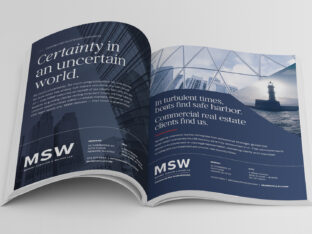
Identity is one major piece of corporate branding, and it encompasses the visual elements used within your company. Examples include logo, stationery, signage, packaging, brochures and other print collateral, usually assembled within a set of “brand guidelines.” These guidelines help preserve the integrity of your brand, keeping it immediately recognizable to your audience.


logo
Your mark or symbol
A logo is a recognizable and memorable mark that identifies your business. Rather than a literal representation of what your business does, a logo acts as a signifier, like using a person’s name, rather than “that guy with brown hair who has a pet snake.” Non-literal logos may not immediately represent what you do, but they can represent your company’s personality (for example, a preschool logo using fun, expressive fonts and bright colors), and provide versatility and room for growth. Only through time and history does a logo develop meaning on its own.

The terms “identity” and “logo” fall under the large “branding” umbrella. Your brand represents the perceived image of your product or business, and is supported by your identity (visual materials) and logo (symbol). Branding starts in your building: it must flourish in the minds of your employees before it can resonate with consumers.