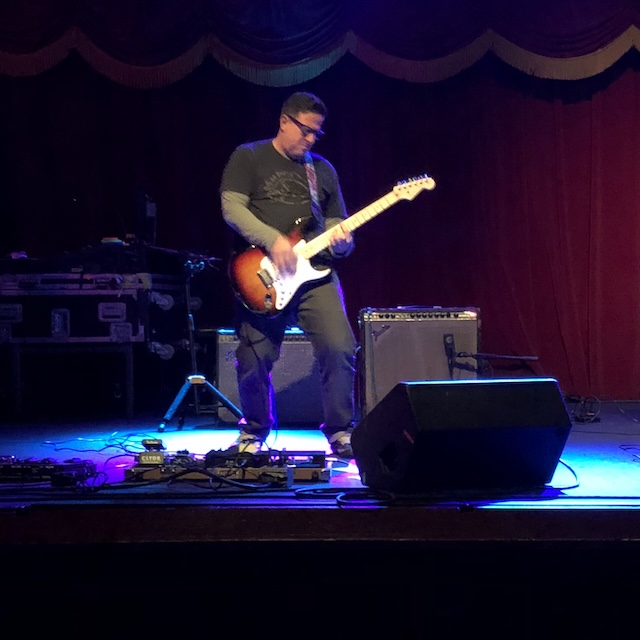

What decades of playing guitar have taught me about growth, collaboration, and the art of listening.
I got my first electric guitar at 15. It was a blonde no-name Strat-style knockoff with terrible action and questionable pickups, but I loved it. My first song? You guessed it, “Smoke on the Water.” Before long, I’d worked my way through barre chords and was attempting everything from AC/DC to KISS to Van Halen. Attempting being the key word here.
It wasn’t long before I joined a neighborhood band. We practiced in a garage, we were way too loud, and yes—the cops were called. Good times. That first band fizzled quickly, but the next one, made up of a few high school friends, had legs. We played shows at schools across Miami and eventually entered a local battle of the bands. We got smoked. Humbling, to say the least.
My parents got me lessons, and the teacher did the right thing—writing out scales and arpeggios and trying to lay a foundation. But I wasn’t having it. I’d rather bring in a Van Halen or Rush cassette and tell him, “Teach me that.” Theory could wait. I just wanted to play, and for decades, playing by ear was exactly what I did.
I picked up songs on my own (long before YouTube tutorials) and played in a few cover bands in college. But the real magic came in the ‘90s, after I moved to New York City and joined a very cool, short-lived Brooklyn-based hybrid band that blended hip-hop, jazz, and funk. We had something unique for the time, and were just starting to book club gigs when family reasons forced our vocalist to move back to L.A. Her voice and her lyrics were irreplaceable, and the project ended.
Later on, I got roped into a Pat Benatar cover band, jokingly called Eggs Benatar, by a friend and a bassist I knew. We were only supposed to play one gig—opening for a Thin Lizzy tribute band—but it went over so well, we were asked to keep going. We did. That band eventually got invited to play the Brooklyn Conservatory of Music’s annual House Party fundraiser. We played, the crowd loved it, and they asked us back. Today, Eggs Benatar plays on the main stage every year as the party band. It’s always a blast, and more than a little intimidating. As an untrained guitarist surrounded by classically trained musicians and legit jazz players, imposter syndrome still makes its annual appearance.
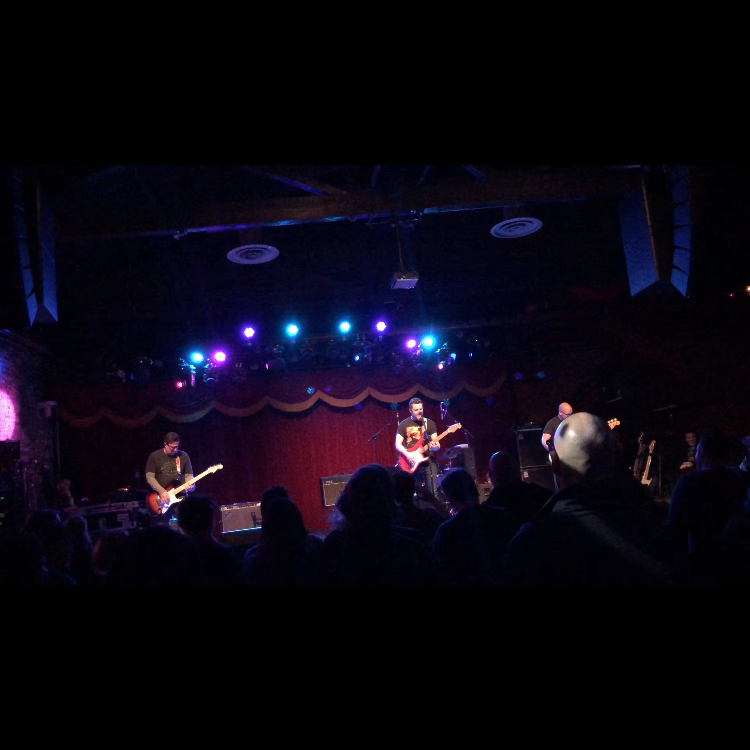
A few years later, I found myself jamming Smashing Pumpkins tunes with some friends. Weeks later we bought a keg of beer and threw a little show for 50 people at our rehearsal space in Gowanus, Brooklyn. We were loud, tight, and having a blast. One of the guests, a friend of a friend, happened to be a talent scout for Brooklyn Bowl. A few weeks later, we found ourselves onstage there. Three shows followed. Those nights were unforgettable.
These days, I still play regularly and work with a teacher I originally met in Brooklyn. He’s now based in Nashville, and we meet over Zoom. The sessions are fun, challenging, and usually again, humbling. I got a late start taking the instrument seriously—but I’m all in now. I’ve learned my scales and arpeggios (finally), but I’m still miles from where I want to be. That’s part of the draw. It’s a never-ending pursuit.
And that pursuit has taught me a few things.
It’s taught me that there’s always more to learn, no matter how long you’ve been at it. It’s taught me the value of patience, and the subtleties of tone. It’s taught me to serve the greater good of the song — or the project. But most of all, it’s taught me the importance of listening. Really listening. To the other players. To the room. To myself.
That lesson applies to the rest of my life too, especially my role as an executive creative director and agency partner. Whether I’m working with clients, guiding a team, or developing a brand, I’ve found that the most powerful ideas often come from a place of empathy, emotion, and a genuine desire to connect with the people experiencing the work.
Listening—whether to clients, partners, teammates, or bandmates—has taught me that the best results don’t come from trying to be heard, but from truly hearing others. Knowing when to hold back and when to lean in is part of the rhythm and flow of any worthy collaboration.
My lifelong pursuit has been to really learn the guitar. Interestingly, it has been the guitar that’s ended up giving me lessons.

Splendor believes an educated client is our best client. Stay tuned to our blog for insight into the world of everything design, web, and digital media. Have something to add? Connect with us on LinkedIn – we’d love to hear from you.