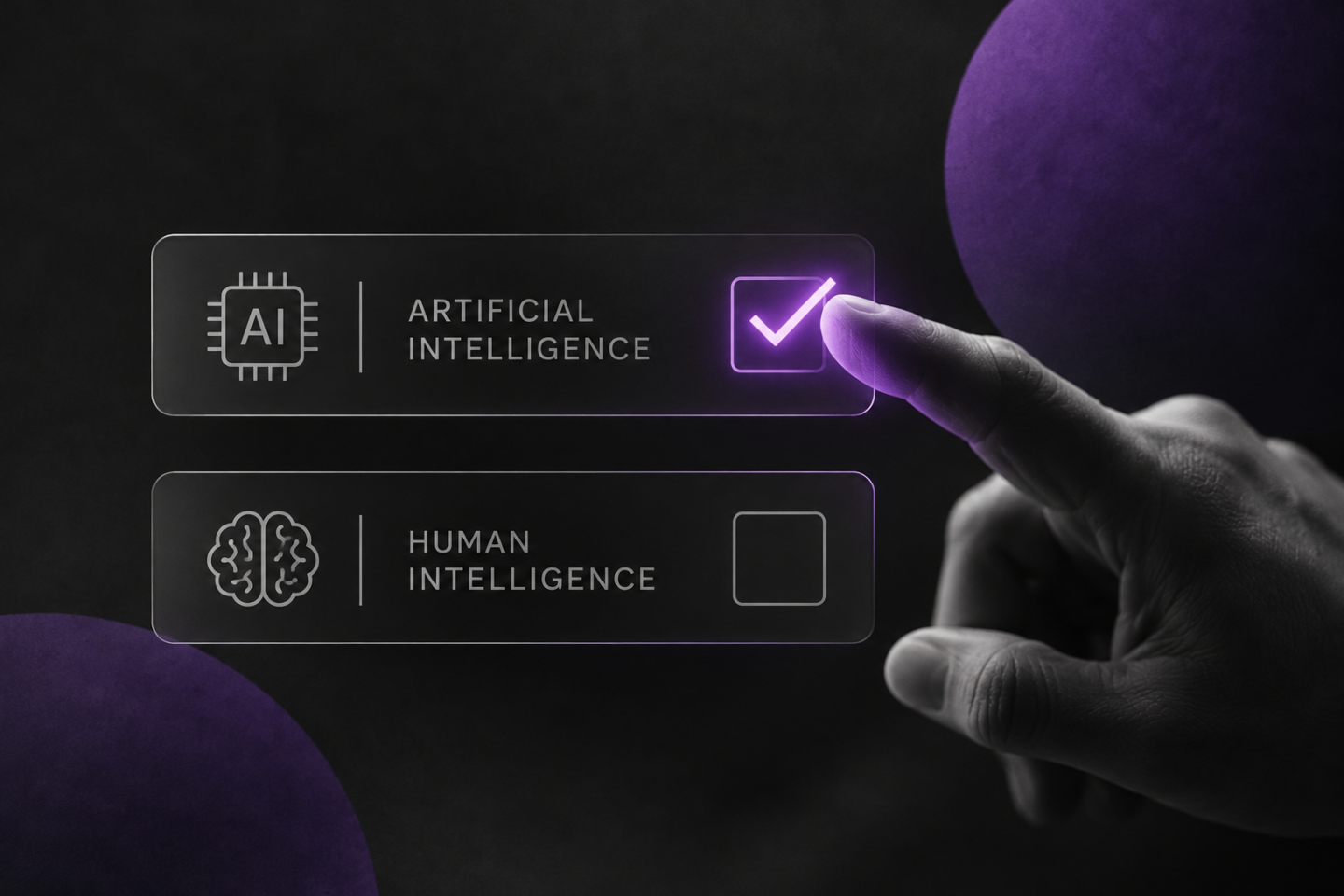
I thought I understood what judgment was. And I was pretty thankful I had it. After all, everyone keeps talking about how human judgment is what separates us from machines. So I started wondering how to put more of it to work. But quickly I realized my understanding of judgment was pretty much limited to what I thought it meant. Where to start? Well, of course I asked AI, which made me a little sick considering the topic, but this is the world we live in. So off to ChatGPT I went.
I knew there had to be plenty of psychological literature on the subject, so I started there. What surprised me was how much of it wasn’t particularly flattering. Daniel Kahneman spent years demonstrating that human judgment is frequently biased, prone to overconfidence, and remarkably good at convincing us we’re right. I know I’m right about most things, so at least I agreed with that assessment.
But Gary Klein had a different take. He studied how experienced professionals make decisions and found that expert intuition can be very effective. My expert intuition was very thankful to learn that. Interestingly, Klein and Kahneman eventually agreed that reliable intuition develops when people can recognize meaningful patterns and get feedback on their decisions. Apparently, good judgment takes experiences where you recognize when you’re wrong.
Now I felt like I was getting somewhere. Except recognizing patterns and learning from information are things AI does pretty damn well. And if we’re being fair, AI can already produce recommendations that are better than what many humans might come up with in the first place. So much for feeling reassured about my superpower.
Then I started thinking about how I actually use judgment in my own work. Some of the best work I’ve been involved with started with realizing we’re asking the wrong question. Other times, it’s recognizing that an answer sounds perfectly reasonable but doesn’t really address what we’re trying to figure out.
So, if good judgment develops through experience, making decisions, and getting feedback, what happens when we start handing more of that work over to AI? How do younger professionals develop the instincts that come from struggling through difficult problems when a machine can offer a perfectly reasonable answer in seconds?
I don’t think there’s an easy answer to that question, but it’s certainly a strange paradox. We’re counting on human judgment as our superpower while running to the very technology that might make it harder to develop. My own judgment tells me there’s something a little off about that. Apparently, good judgment comes from experience, which includes the occasional bad judgment. I guess there’s still something to be said for getting a few things wrong ourselves.

Mark Cerame, Head of Strategy, Splendor
Splendor believes an educated client is our best client. Stay tuned to our blog for insight into the world of everything design, web, and digital media. Have something to add? Connect with us on LinkedIn – we’d love to hear from you.